Septic System Repair in Wildwood
Request an estimate today
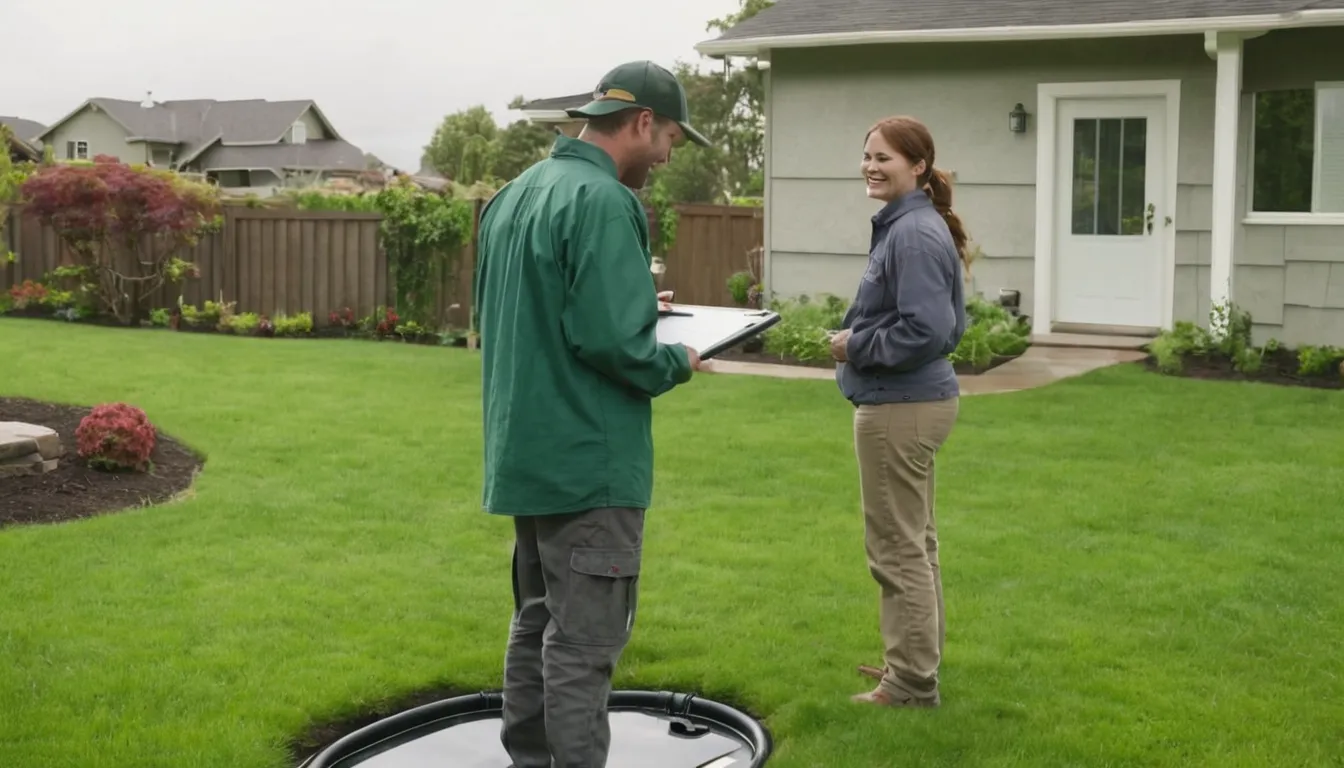
Is your septic system backing up, gurgling or leaving soggy patches in the yard? Septic system repair is about finding the weak spot and fixing it before it spreads. That could be a cracked pipe, a worn baffle, a failed pump or a tired drainfield. Hugeweekend Septic is a referral service that sends your request to an independent provider in the Wildwood area.
The provider visits the property, explains what they find and sets the price in writing. Hugeweekend Septic does not do the work and does not set prices. We help you arrive with photos, notes and records, so the visit goes smoothly and the quote makes sense. Many homes here have older systems, so a clear plan matters. Ask first, then answer.
Is my septic system trying to tell me something?
Probably, yes. It usually starts quietly. A slow drain. A gurgle in the tub when the washer empties. A whiff of rotten eggs near the yard. Small hints like these are easy to ignore, but acting early often keeps the repair smaller.
Which signs mean I should act right away?
Some signs are louder than others. Treat these as urgent:
- Sewage backing up into a tub, floor drain or basement
- Wet, spongy ground or standing water over the tank or drainfield
- A strong sewage smell indoors or out
- One patch of extra-green grass in an otherwise normal lawn
- Cloudy or odd-tasting water, if your home has a private well
If sewage is inside the house, stop using water. Keep kids and pets away from it. Then Request a callback to check provider availability.
Wait, who am I actually talking to?
Fair question, and you deserve a straight answer. Hugeweekend Septic is a referral service. It does not do repair work. Your request goes to an independent provider in our network. That provider visits your property, finds the problem and sets the price. Referral, not repair.
Is it a repair, or just a full tank?
Sometimes a full tank acts like a broken system. If the tank is overdue, septic tank pumping may clear the backup. In a messy backup, a provider may start with emergency septic cleaning so the house is safe again. If the trouble returns soon after, something else is likely wrong. That is when a real repair plan makes sense.
What usually goes wrong inside a septic system?
A few trouble spots show up again and again.
Cracked or shifted pipes
Pipes between the house and tank can crack, sag or fill with roots. Wastewater then pools where it should not.
Worn baffles and filters
Baffles slow the flow inside the tank. When one breaks, solids can slip out and clog the field.
Failed pumps and floats
Some systems use a pump to move water uphill. If the pump or float quits, alarms sound and water backs up.
A clogged or soggy drainfield
This is the soil area that treats the water. Once it clogs, wastewater has nowhere to go.
Does weather make septic trouble worse?
It can. Cold winters with deep frost may shift pipes or stress lines. Spring flooding can saturate the soil so the field cannot drain. Severe thunderstorms can knock out power to a pump. And if your basement sump pump sends water toward the septic area, mention that to the provider. Extra water is hard on any system.
How does a repair visit work?
First, the provider listens. Then they look at the tank, the lines and the field. They may use a camera, a probe or a dye test. After that, you get a plan and a written quote. You decide whether to go ahead. There is no obligation to say yes.
What does drainfield repair look like?
Drainfield repair depends on why the soil stopped taking water. A provider may fix a broken distribution box, clear a blocked line, or replace one section of pipe. Sometimes resting the field and cutting water use helps. Heavy damage may need a larger rebuild. Ask the provider to show you where the problem is, not only describe it.
Should I worry about my water well?
If your home has a private well, say so on the first request. Septic trouble near a well can matter for water quality. A provider may suggest water well service or testing as a separate step. That work may come from a different provider, so ask who does what.
Should I repair it or replace it?
Repair often makes sense when the damage is limited to one part. Replacement becomes a real option when the field has failed, the tank is cracked through, or repairs keep stacking up. Older frame houses and ranch homes often have older systems, so age matters. Ask for both options in writing and compare them side by side.
What paperwork should I have ready?
This is an easy win. Gather:
- Photos of wet spots, drains, alarms and any damage
- Notes on when symptoms began and what changed
- Past pumping or repair records
- A sketch or map of the tank and field, if you have one
Photos and notes ready makes the quote clearer and the visit shorter.
What about insurance?
Some policies may cover sudden damage, but many do not cover wear and tear. Check your policy and ask your agent. Providers can often help document damage for a claim. Keep every photo, receipt and written report in one folder.
How do I protect the system after a repair?
Small habits protect a big investment. Spread laundry across the week. Fix leaky toilets. Keep trucks and heavy equipment off the field. Only flush toilet paper. Keep roots and sump pump water away from the area. Schedule routine pumping as the provider recommends.
What should I ask the provider?
A few good questions:
- What exactly failed, and can you show me?
- What are my repair and replace options?
- What does the quote include, and what could change it?
- Will permits or inspections be needed?
- What warranty, if any, comes with the work?
Ready to ask first and get answers?
Tell Hugeweekend Septic what is happening, and your request goes to a provider in our network. The provider answers, visits and prices the job.
What's Included
Problem Diagnosis
A provider inspects the tank, pipes and field to find what failed, and explains it in plain words.
Pipe and Baffle Fixes
Cracked lines, broken baffles and clogged filters are often fixed without replacing everything.
Pump and Float Work
Providers can often repair or replace failed pumps, floats and alarms on pumped systems.
Drainfield Repair Options
Repair plans range from small line fixes to replacing worn sections of the field.
Typical Septic Repair Costs
Septic repair prices vary a lot by soil, access, system age and local permit rules. These are typical U.S. ranges only, so always ask the provider for a written quote.
| Repair item | Typical range | Notes |
|---|---|---|
| Septic inspection and diagnosis | $100 – $600 | Camera or dye tests can raise the price |
| Baffle or outlet filter repair | $200 – $1,000 | Often found during tank inspection |
| Pump or float replacement | $500 – $2,500 | Applies to pumped or lift systems |
| Pipe repair, house to tank | $1,000 – $4,000 | Depends on depth, roots and digging |
| Drainfield repair | $2,000 – $10,000 | Based on how much of the field is affected |
| Full drainfield replacement | $5,000 – $20,000+ | Soil tests and permits may add cost |
How It Works
Share Your Story
Tell Hugeweekend Septic what you see, hear and smell, and note whether you have a private well.
Get Matched
Your request goes to a provider in our network.
Provider Inspects Property
The provider visits, finds the cause and explains your repair options clearly.
Review Written Quote
The provider sets the price. Compare it, ask questions, then choose your next step.
Why Call Hugeweekend Septic
Clear Referral Model
Hugeweekend Septic routes requests only. Independent providers visit, do the work and set every price.
Prepared Visits
Photos, notes and records help you explain the problem and compare quotes with confidence.
Local Providers
Requests go to providers in our network who know local soil and weather.
No Obligation
Request an estimate, read the written quote and decide at your own pace.
Other Services
Need septic system repair in Wildwood?
Request a callback to talk it through, or send the request form. Hugeweekend Septic routes you to an independent provider in our network.
No obligationSeptic System Repair FAQ
How do I know if my septic system needs repair or just pumping?
Pumping fixes a full tank. If backups, wet ground or odors return soon after pumping, something else is likely wrong, such as a damaged pipe, baffle, pump or drainfield. A provider can check.
Does homeowners insurance cover septic system repair?
Some policies may cover sudden damage, but many exclude wear and tear. Check your policy and ask your agent. Providers can often help document damage for a claim.
Who does the repair when I contact this service?
An independent provider in our network does the repair. Hugeweekend Septic is a referral service only. The provider visits your property, explains the problem and sets the price in writing.
Reach a local provider
Request a callback to talk it through, or send the request form. Hugeweekend Septic routes you to an independent provider in our network.
No obligation