Septic Tank Pumping Services for Homeowners
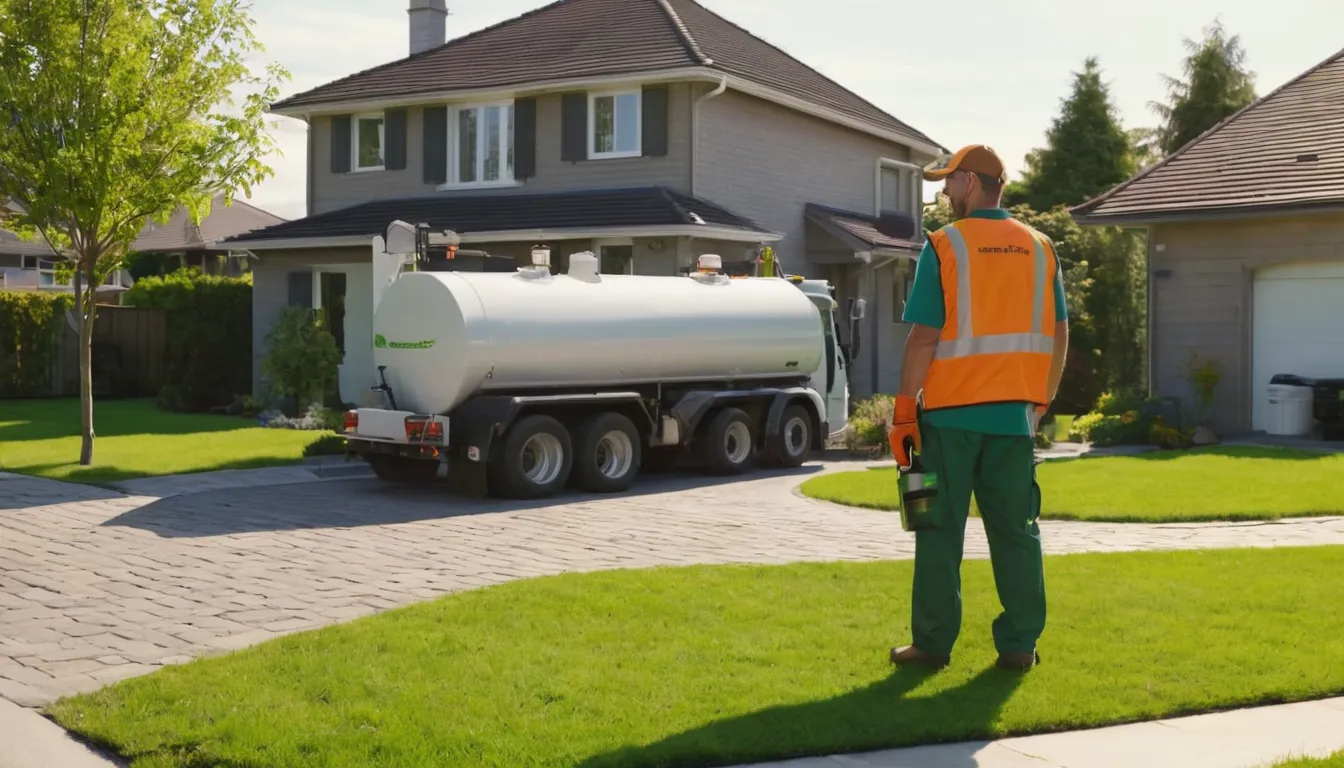
Is it time to pump your tank? If drains are slow, the yard smells, or it has been years since the last visit, the answer is probably yes. Septic tank pumping removes the sludge and scum that build up inside, so wastewater can keep flowing to the drainfield.
Hugeweekend Septic is a referral service. We do not pump tanks. We connect homeowners in Wildwood and the Wildwood area with independent providers in our network. The provider answers your questions, visits the property, and sets the price. Our job is to route your request and help you arrive with photos and notes ready. Referral, not repair.
Is your tank full or overdue? Start here
Here is the question most people type first: "How do I know if my septic tank needs pumping?" Look for these signs:
- Drains that gurgle or run slowly
- Toilets that bubble or back up
- A sewage smell near the tank or the yard
- Soggy, extra-green grass over the tank or drainfield
- It has been three or more years since the last pumping, or you do not know
One sign is a nudge. Two or three together mean it is time to act.
Is this an emergency?
If sewage is coming up in a tub, shower, or floor drain, treat it as urgent. Cut back on water use right away. That means no laundry, no dishwasher, and short flushes only. Keep kids and pets away from the wet area.
Then ask about emergency septic cleaning. Many providers can respond quickly, but availability varies by provider and by day. Request a callback to check provider availability.
Who does the pumping, and who answers the phone?
Let's be plain about it. Hugeweekend Septic is not a pumping company. We are a referral service. When you reach out, we pass your details to an independent provider in our network. That provider talks with you, visits your home, does the pumping, and gives you the price. We do not set prices or send our own trucks.
Why does pumping matter so much?
Inside the tank, solids sink and form sludge. Grease and light waste float and form scum. The middle layer of liquid flows out to the drainfield. If the sludge and scum grow too thick, solids can slip out too. They clog the soil, and a clogged drainfield is a much bigger repair than a pumping visit.
Regular pumping is the cheap way to avoid that. Think of it as an oil change for your yard.
How often should you pump?
It depends on your household. A rough guide many homeowners use is every three to five years. Check these factors:
- Tank size: smaller tanks fill faster.
- People in the home: more people means more waste.
- Water use: lots of laundry or long showers add up.
- Garbage disposal: it adds solids to the tank.
Your local health department or a provider can suggest a schedule for your system.
What happens during a pumping visit?
A typical visit is short. The provider finds the tank, opens the lid or lids, and pumps out the contents with a vacuum truck. Many also look at the baffles, the inlet and outlet pipes, and the water level. They may point out cracks, roots, or worn parts. If the tank looks fine, that is good news too.
Ask the provider to tell you what they saw. Notes from the visit are useful later.
Can you get ready in ten minutes?
Yes. This is the easy win. Before the visit, gather:
- Photos of the problem area, the yard, and any wet spots
- A short note on when symptoms started
- Any old pumping receipts or system maps
- The age and size of the tank, if you know them
Photos and notes ready means a faster, clearer estimate. If a claim ever comes up, some policies may cover sudden damage, so check your policy. Providers can often help document damage for a claim.
Do you need an inspection with the pumping?
Pumping and inspecting often go together, because an empty tank is easy to look over. A basic check can spot a failing baffle or a high water level. If the provider sees signs of trouble in the drainfield, they may suggest drainfield repair or more testing. That is a separate job with its own quote.
Buying or selling a home with a septic system?
Lenders and buyers often ask for a recent pumping and inspection. If you are selling, a pumping record shows the system has been cared for. If you are buying, ask for the records and plan a pumping soon after closing. Rules differ by area, so ask a provider or your local office what applies.
What if you also have a water well?
Many homes with septic also have a private well. The two should sit a safe distance apart. If you notice odd taste or smell in well water along with septic symptoms, mention both. Water well service is handled by a different kind of provider, so ask your septic provider for advice on who to contact.
How do you care for the tank between visits?
Small habits help a lot:
- Spread laundry across the week.
- Keep grease, wipes, and paint out of drains.
- Do not drive or park over the tank or drainfield.
- Fix dripping faucets and running toilets.
Cold winters with deep frost can make tanks harder to reach, so schedule before the ground freezes. After spring flooding or heavy storms, watch for slow drains. Keep sump pump discharge away from the drainfield.
What should you ask the provider?
Before you agree, ask:
- Is the price in writing, and what does it include?
- How big is my tank, and how many gallons will you pump?
- Will you check the baffles and give me notes?
- Are there extra fees for hard-to-find lids or long hoses?
- What can I expect for timing?
Get a written quote. It protects you, and it makes comparing easy.
Ready for the next step?
You have the answers, so now pick a path. Request an estimate and share your photos and notes. A provider in our network will follow up with the details.
What's Included
Tank Pumping
A provider removes sludge and scum from the tank so wastewater can move on to the drainfield.
Baffle Check
Many visits include a look at the inlet and outlet parts for wear.
Emergency Septic Cleaning
If sewage is backing up, ask providers about urgent pumping and what their availability looks like.
Service Notes
Ask the provider to share what they saw, so you have a record for later.
What Does Pumping Usually Cost?
Prices vary by tank size, access, and location. These are typical U.S. ranges only. The provider sets your actual price, so ask for a written quote before work begins.
| Item | Typical range | Notes |
|---|---|---|
| Standard pumping, 1,000 gal tank | $300 – $550 | Most common job for smaller homes |
| Larger tank, 1,500+ gal | $450 – $900 | More volume means more time |
| Hard-to-find or buried lids | $100 – $400 | Digging or locating adds labor |
| Emergency or urgent visit | $500 – $1,000 | Rates depend on provider and timing |
| Basic tank inspection | $100 – $350 | Often paired with pumping |
| Riser or lid install | $250 – $700 | Makes future pumping easier |
How It Works
Share your situation
Tell us what you notice, like slow drains or odors, and add photos and notes if you have them.
We route your request
We pass your details to an independent provider in our network.
The provider follows up
The provider talks with you about timing, the visit, and a written quote.
Provider visits and pumps
The provider comes to your property, pumps the tank, and shares what they found.
Why Call Hugeweekend Septic
Plain Referral
We tell you up front that independent providers do the work, not us, so there are no surprises.
Prepared Visits
Photos, notes, and records help the provider understand your system before arriving.
Clear Roles
We route the request. The provider visits and sets the price.
No Obligation
Request an estimate and decide for yourself. There is no pressure to book.
Other Services
Need septic tank pumping services in Wildwood?
Request a callback to talk it through, or send the request form. Hugeweekend Septic routes you to an independent provider in our network.
No obligationSeptic Tank Pumping Services FAQ
How do I know if my septic tank is full?
Slow drains, gurgling pipes, sewage smells, and soggy ground over the tank are common signs. If sewage backs up inside the house, treat it as urgent and limit water use.
How often should a septic tank be pumped?
Many homes pump every three to five years, but it depends on tank size, number of people, and water use. A provider or local health office can suggest a schedule for your system.
Does Hugeweekend Septic pump the tank?
No. Hugeweekend Septic is a referral service. An independent provider in our network does the pumping and sets the price.
Reach a local provider
Request a callback to talk it through, or send the request form. Hugeweekend Septic routes you to an independent provider in our network.
No obligation